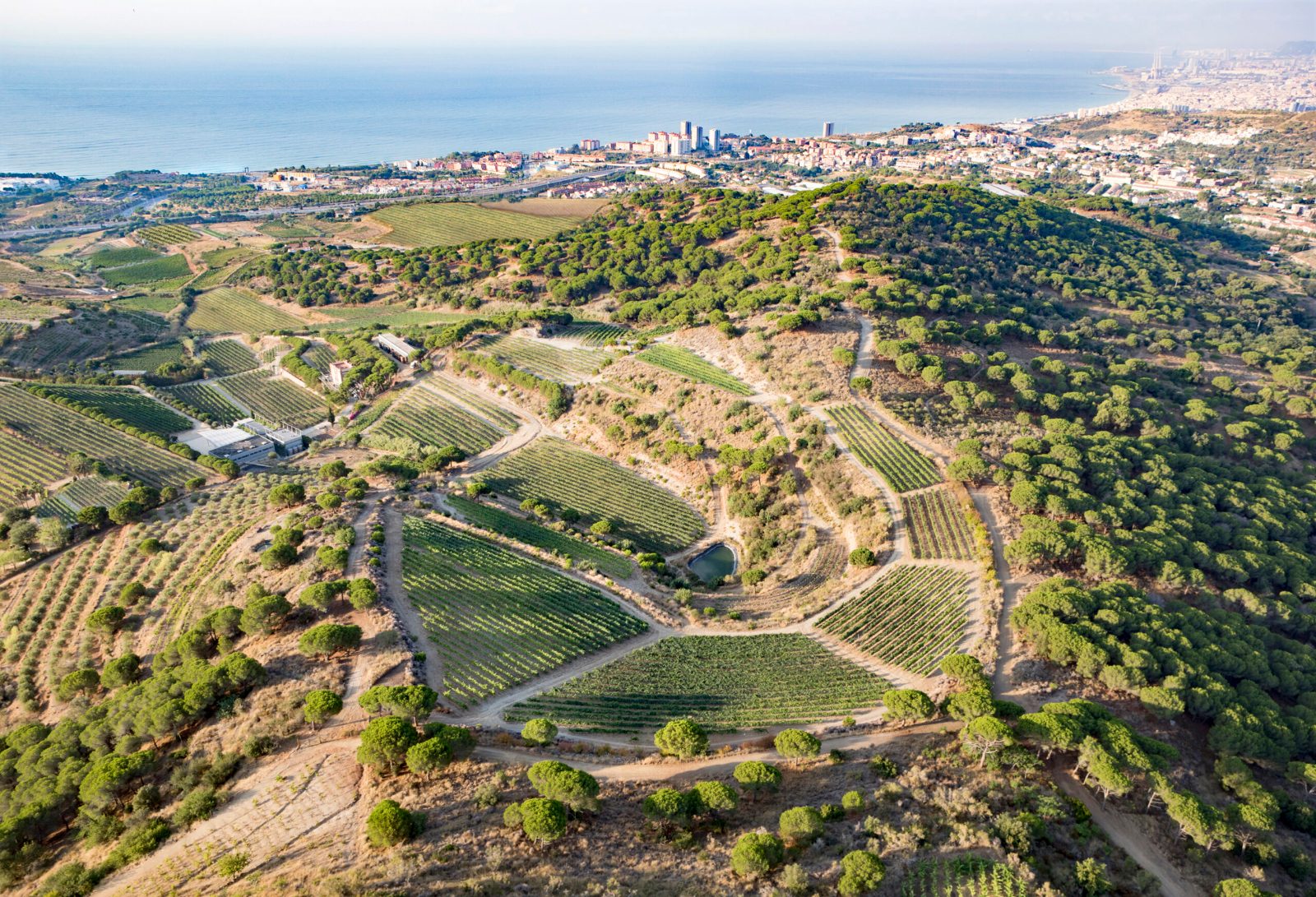
Vineyard Terraces
These elevated planting rows provide a perspective on the region's Pansa Blanca grape cultivation.
Look toward the Mediterranean Sea to identify the coastline's proximity.

Alella sits fifteen kilometers north of Barcelona's port, where vines climb granite hillsides between the Collserola range and the Mediterranean. This is the city's smallest and oldest Denominació d'Origen, producing whites that reflect cool maritime influence and the minerality of decomposed bedrock. Most visitors arrive expecting Penedès or Priorat and discover instead a compact appellation defined by a single indigenous grape and a handful of family cellars.
Quick answer
Wines from barcelona are centered in the Alella DO, a coastal appellation specializing in Pansa Blanca—the local name for Xarel·lo—which accounts for roughly 90% of vineyard area. The region's 250 hectares produce lean, saline-edged whites shaped by Mediterranean breezes and granite soils. Alta Alella, the most accessible cellar for day visitors, opens Tuesday through Sunday with guided tours and tastings available by advance booking. Entry to the estate grounds is free, but structured visits require paid reservation.
The Alella Denominació d'Origen was formally recognized in 1956, but viticulture here predates Roman settlement. The appellation covers just 250 hectares, making it one of Catalonia's smallest, and nearly all production focuses on white wine. Pansa Blanca, the regional clone of Xarel·lo, dominates plantings and yields wines with taut acidity, citrus pith, and a saline finish that speaks to the vineyards' proximity to the sea. The region's topography divides into two zones. The Vallès Oriental slopes rise above Barcelona's northern suburbs, where vines grow on decomposed granite at elevations between 90 and 300 meters. The Maresme coastal strip runs parallel to the shore, its vineyards cooled by afternoon sea breezes that moderate summer heat and preserve freshness in the fruit. This maritime influence distinguishes wines from barcelona produced in Alella from the warmer, fuller-bodied styles found inland in Penedès or the oxidative wines of the Priorat highlands. Alta Alella, founded in 1991 by the Pujol-Busquets family, farms 42 hectares organically and has become the region's most internationally recognized producer. The estate occupies a south-facing hillside above Alella village, with terraced vineyards that overlook the Mediterranean. Its cellar welcomes visitors Tuesday through Sunday, with morning and afternoon slots for guided tours that cover fermentation methods, barrel aging, and the estate's biodynamic practices. Tastings typically include three to five wines and last 60 to 90 minutes. Other producers in the appellation—Bouquet d'Alella, Roura, Serralada—operate smaller tasting rooms with irregular hours, often requiring advance contact. The concentration of cellars within a ten-kilometer radius makes it possible to visit two or three in a half-day, though transport between estates requires a car or taxi since public transit does not connect the vineyards directly. The town of Alella itself, reachable by Renfe commuter rail from Barcelona Sants, serves as a base but sits a twenty-minute walk downhill from Alta Alella's gates.
“Pansa Blanca yields wines with taut acidity, citrus pith, and a saline finish that speaks to the vineyards' proximity to the sea.”
The winery at Alella welcomes visitors throughout the week with varying hours depending on the day. Please review the schedule below to plan your visit accordingly.
Access to the grounds at this Alella vineyard is provided at no cost. Guided tours and professional wine tastings require a separate paid booking.
Verdict: While grounds entry is 0 EUR, visitors typically pay for guided experiences, with final costs determined by the specific tour or tasting package selected.
The vineyards in Alella are located at Camí Baix de Tiana, s/n, 08328 Alella, Barcelona, Spain. The most direct approach from central Barcelona involves a combination of regional train and a short taxi or local bus connection.
R1 line from Barcelona-Sants or Plaça de Catalunya to El Masnou station
Direct transfer from Barcelona city center to the estate
Bus line 849 from Barcelona to Alella village followed by a local transfer
For the smoothest journey, take the R1 train to El Masnou and complete the final leg via a local taxi, which provides direct access to the estate entrance.
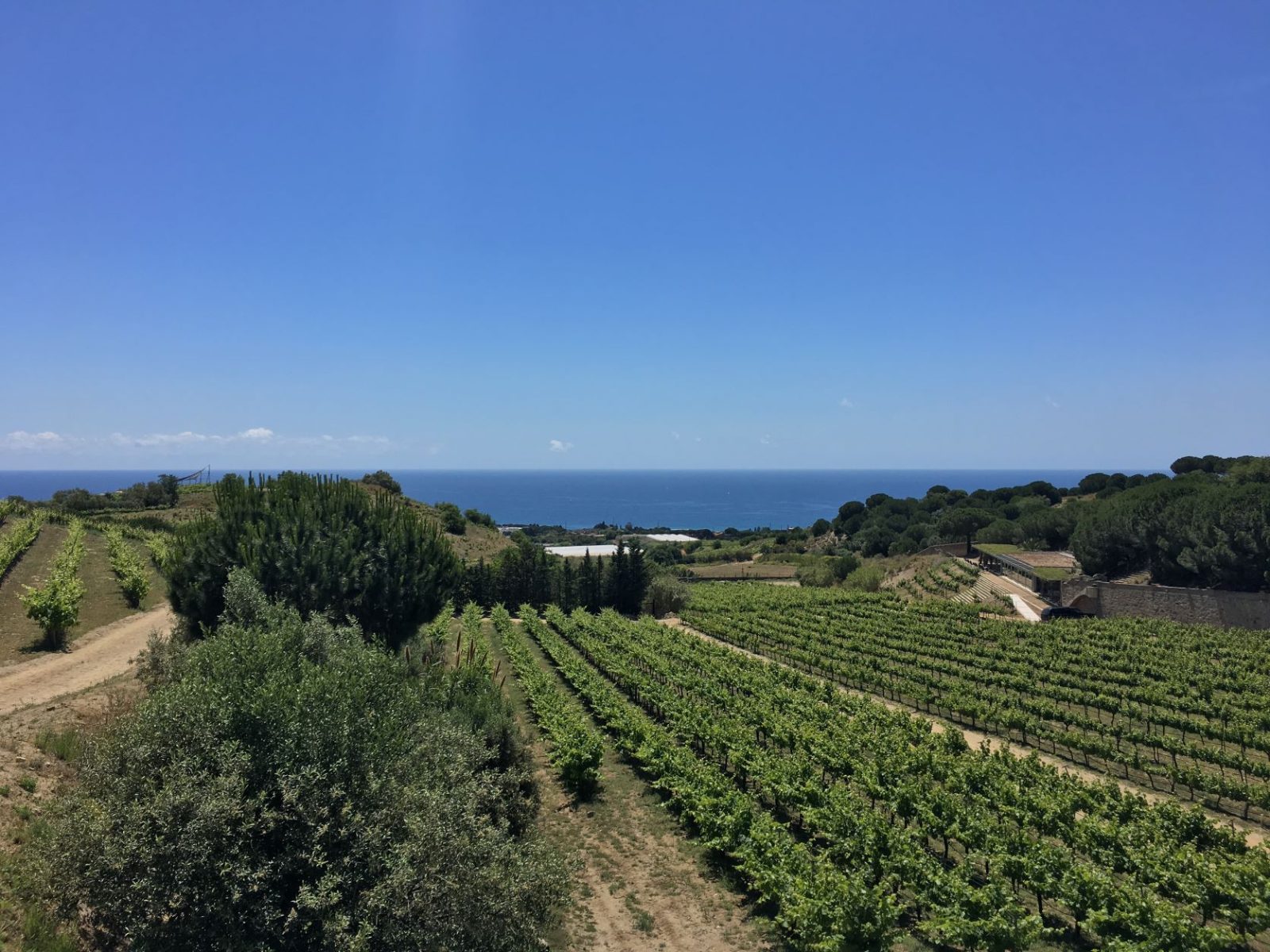
The Alella wine region offers a distinct landscape where coastal influence meets high-altitude vineyard terrain. Visitors can explore the estate grounds to observe the integration of modern winemaking facilities within a traditional agricultural environment.
These elevated planting rows provide a perspective on the region's Pansa Blanca grape cultivation.
Look toward the Mediterranean Sea to identify the coastline's proximity.
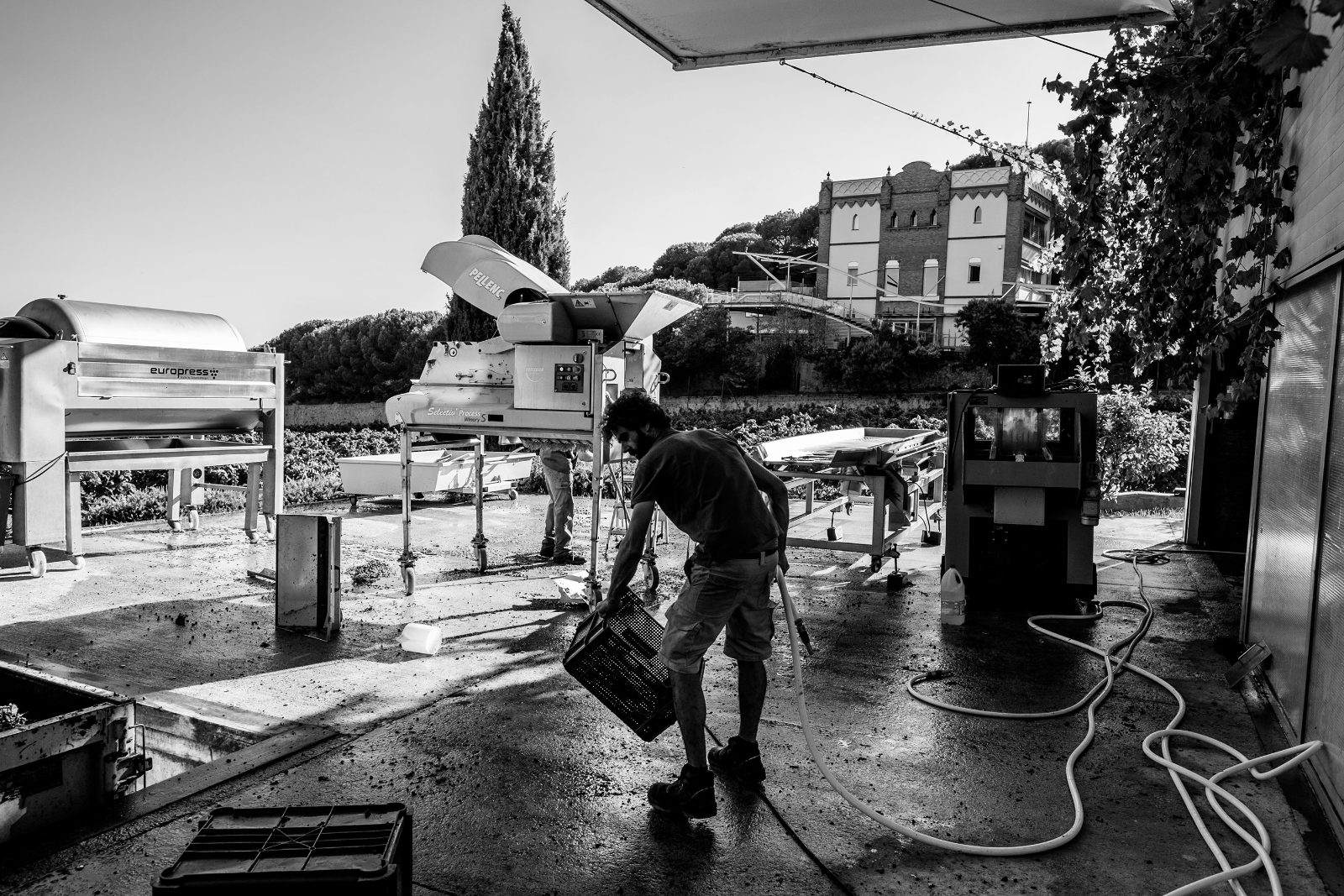
This area houses the stainless steel vats and climate-controlled spaces used for vinification.
Observe the contrast between the historic landscape and technical equipment.
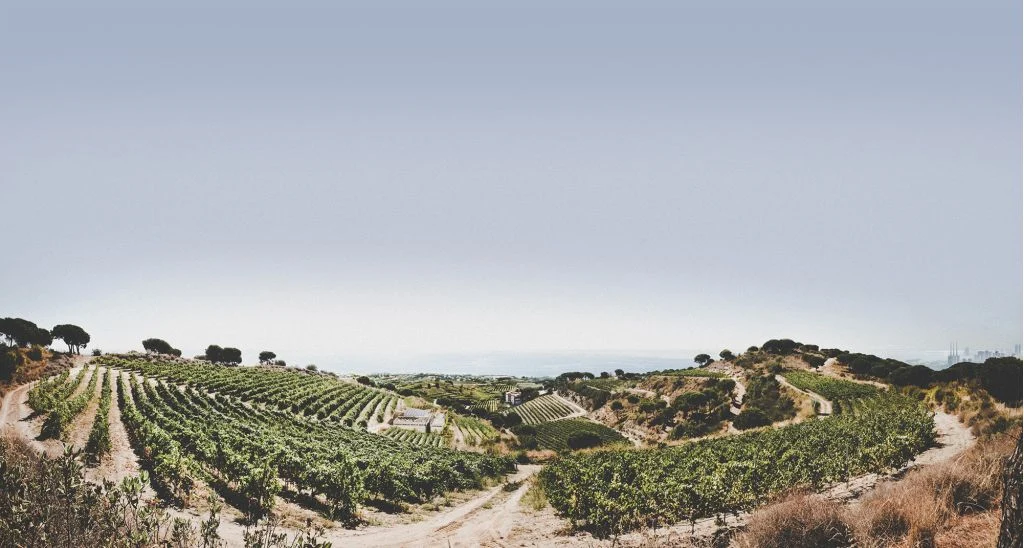
The estate features elevated vantage points overlooking the vines toward the coast.
Visit during the morning hours for clearer visibility of the Barcelona skyline.
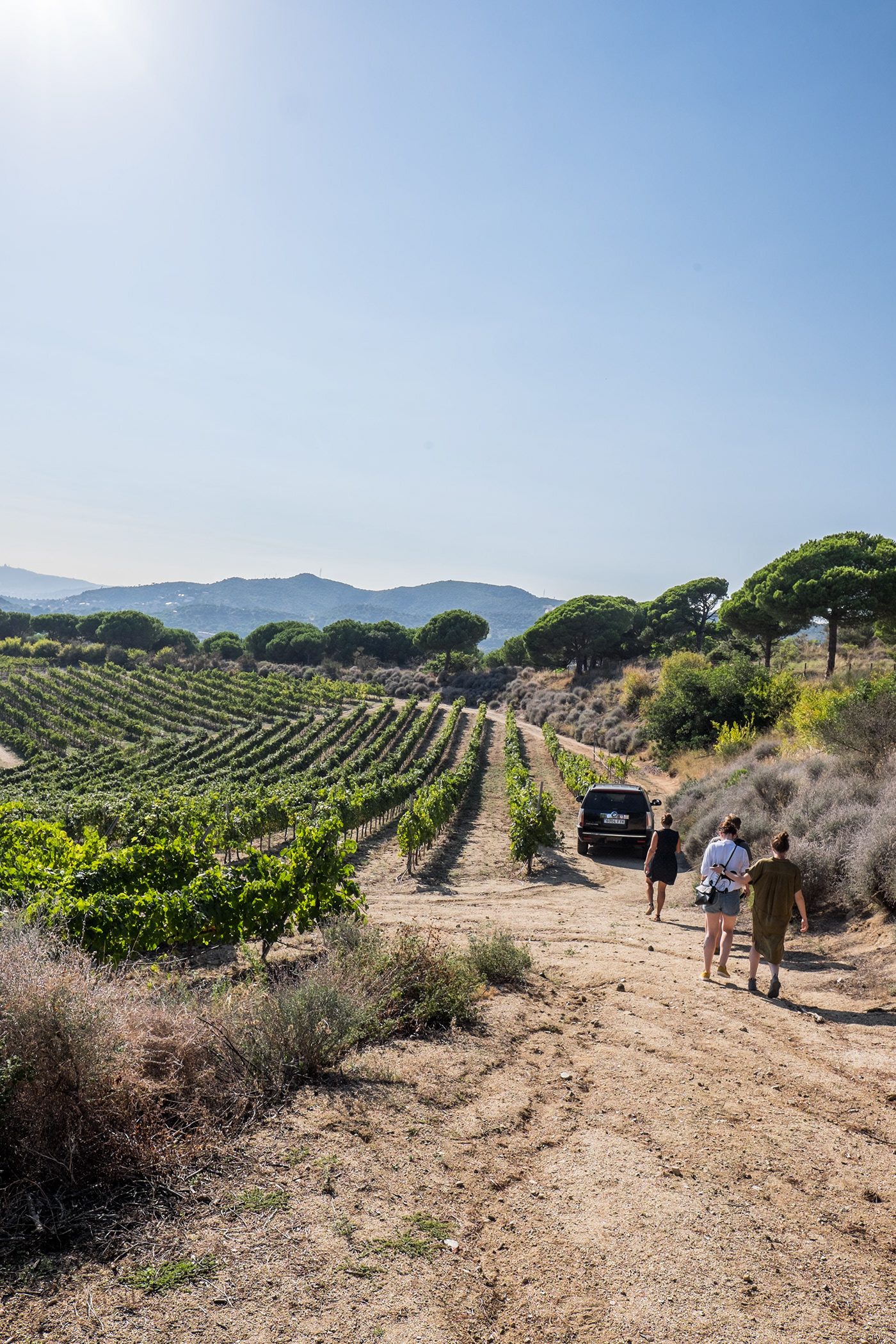
The property maintains open spaces that demonstrate the layout of a Mediterranean wine estate.
Walk the perimeter paths to see the local flora and soil composition.
Everything you need to know about wines from barcelona
Alella is one of the closest wine regions to the city, making it an ideal destination to explore high-quality wines from barcelona. The area is famous for its Pansa Blanca grape and scenic Mediterranean views.
Yes, visitors can explore the estate grounds and enjoy tastings of local wines from barcelona. These sessions provide insight into the fermentation process and the unique terroir of the region.
Entry to the grounds is 0 EUR. Please note that while grounds access is free, guided tours and professional tastings require a paid booking in advance.
The estate is open Monday through Thursday from 10:00–13:30. On Friday and Saturday, hours extend to 10:00–18:00, and on Sunday the site is open from 10:00–17:00.
The best arrival window is between 10:00 and 13:00 to enjoy the best morning light. This timeframe also ensures cooler temperatures before the midday heat of the summer months.
Families are welcome to visit the estate to learn about the wine culture of the region. Please ensure that guided tour bookings account for all members of your party.
Yes, while entry to the grounds is free, specific tasting experiences and guided tours of these wines from barcelona require an advance booking. Checking availability online ensures your preferred time slot is secured before you arrive.